


How to Choose the Right Residential Garage Door for Style and Security
Selecting a garage door involves balancing aesthetic compatibility with your home's design, security requirements, material durability, and long-term maintenance needs. This guide explains the functional and stylistic factors that affect residential garage door performance in different climates and architectural contexts.
What Factors Should Determine Your Garage Door Material Choice?
Material selection affects durability, maintenance requirements, insulation capacity, and visual appearance. Each material responds differently to environmental stress and security demands.
Common residential garage door materials include:
- Steel doors offer high impact resistance, minimal warping, and compatibility with insulation layers
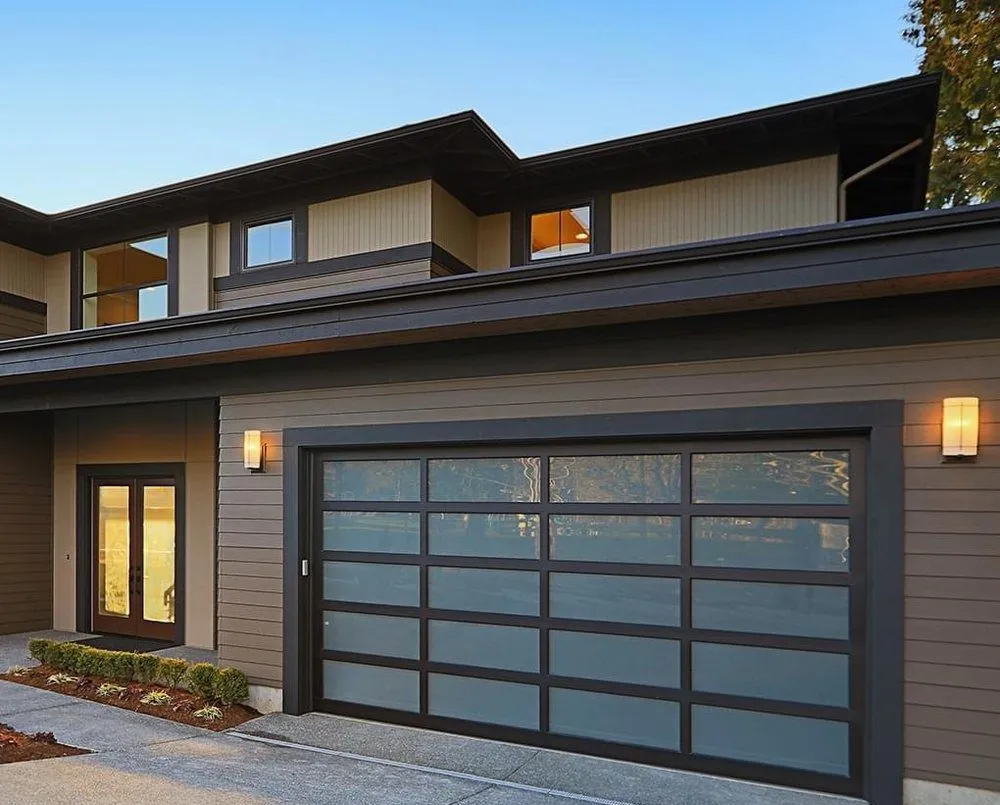
- Aluminum frames with glass panels provide modern aesthetics but limited insulation and lower security ratings
- Wood and composite materials deliver a traditional appearance but require more frequent maintenance and refinishing
- Fiberglass panels resist corrosion in coastal environments but may crack under impact or temperature extremes
- Vinyl-coated steel combines corrosion resistance with the structural benefits of steel construction
Material choice directly impacts operational weight, which affects opener requirements and spring specifications. Steel doors typically provide the best balance between security, insulation potential, and maintenance demands for most residential applications. Wood doors require periodic sealing and repainting to prevent moisture damage and dimensional changes.
How Does Insulation Affect Garage Door Performance?
Insulation reduces heat transfer between your garage interior and external environment, affecting attached home temperatures and energy costs. The R-value measures insulation effectiveness, with higher numbers indicating better thermal resistance.
Insulation benefits vary based on garage use:
- Attached garages benefit from insulation that reduces heating and cooling loads on adjacent living spaces
- Climate-controlled workshops require higher R-values to maintain consistent temperature ranges
- Unheated storage spaces may function adequately with minimal or no insulation
- Extreme temperature regions like inland Southern California areas, including Winchester and Temecula, CA, see greater thermal stress that insulation helps manage
Insulated doors typically use polyurethane foam or polystyrene panels between steel layers. Polyurethane provides higher R-values per inch and bonds to door panels, adding structural rigidity. Polystyrene costs less but offers lower insulation performance. Single-layer doors without insulation lose heat rapidly and may develop condensation in temperature fluctuations.
What Security Features Are Essential in Modern Garage Doors?
Garage security protects vehicle assets and prevents unauthorized home access through attached entry points. Multiple security layers address different vulnerability points in residential garage door systems.
Critical security components include:
- Automatic opener systems with rolling code technology that changes access codes after each use
- Manual lock mechanisms as backup security when power fails or for extended absences
- Pinch-resistant panel construction that prevents prying tools from separating door sections
- Solid construction without decorative windows at lock height that could enable interior access
- Vacation lock features that disable remote openers and wall buttons during travel periods
- Motion-sensing lighting that illuminates the driveway approach and garage interior
Older garage door openers using fixed codes remain vulnerable to code-grabbing devices. Modern systems incorporate rolling codes that generate new access sequences automatically. Physical door construction matters equally—thicker gauge steel resists forced entry better than thin panels. Side-mounted locks engage the track directly, preventing lift attempts when the door remains closed.
How Do You Match Garage Door Style to Your Home's Architecture?
Visual coherence between garage doors and home design maintains property aesthetics and resale value. Garage doors occupy significant facade space, making style coordination essential for curb appeal.
Architectural compatibility considerations include:
- Carriage house designs with decorative hardware suit traditional and craftsman-style homes
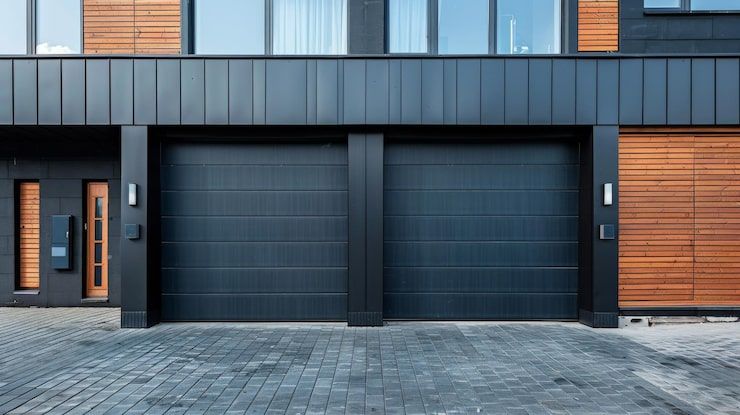
- Contemporary flush panels complement modern architecture with clean horizontal lines
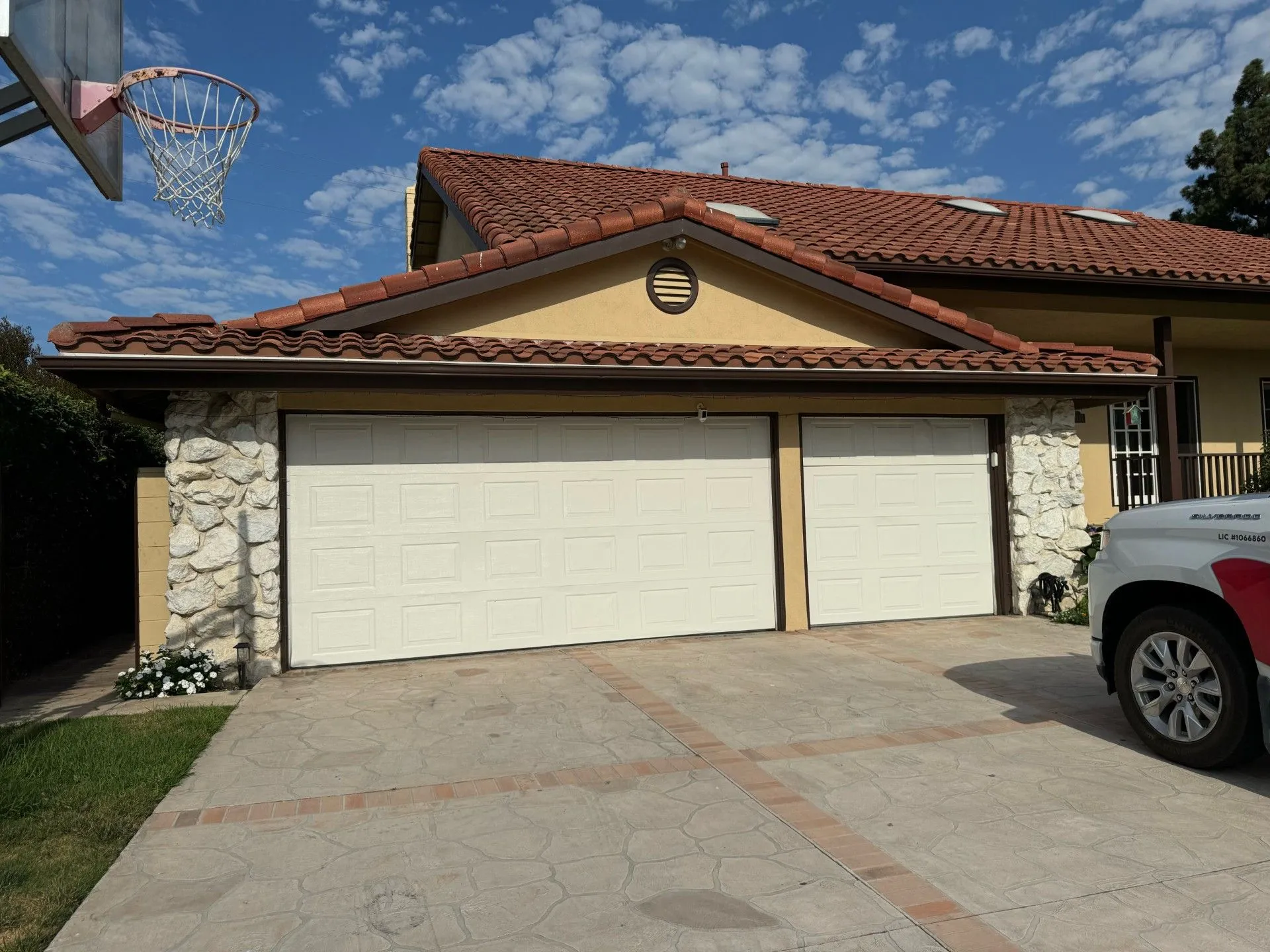
- Raised panel configurations coordinate with colonial and transitional home styles
- Window placement and size that mirrors existing home window proportions and spacing
- Color selection that matches or complements trim, siding, or accent colors
- Hardware finishes (handles, hinges, decorative elements) that align with existing exterior fixtures
Period-appropriate details strengthen visual integration. Ranch-style homes typically pair well with simple panel designs, while Victorian architecture accommodates more ornate carriage-style doors. Window configurations should reflect actual home window patterns; arched windows work with homes featuring similar elements, while rectangular windows suit most contemporary designs. Color choices extend beyond simple matching; contrasting garage doors can create intentional focal points when executed with design principles in mind.
What Maintenance Requirements Differ Between Garage Door Types?
Maintenance frequency and complexity vary significantly across door materials and mechanisms. Understanding these requirements before purchase prevents unexpected costs and effort.
Material-specific maintenance needs include:
- Steel doors require periodic inspection for rust spots, particularly along the bottom edges and hardware attachment points
- Wood doors need annual cleaning, inspection for rot, and refinishing every few years, depending on sun exposure
- Aluminum and glass doors require window cleaning and seal inspection, but minimal structural maintenance
- Moving parts (rollers, hinges, springs, cables) need lubrication and adjustment, regardless of door material
- Automatic openers require safety sensor testing and occasional gear or circuit board replacement
Neglected maintenance accelerates wear and creates safety hazards. Springs under high tension require professional service when replacement becomes necessary. Track alignment affects door operation—misaligned tracks cause binding, unusual noise, and premature roller wear. Weather sealing deteriorates over time, allowing water intrusion, pest entry, and energy loss. Annual inspections identify developing problems before component failure occurs.
How Do Climate Conditions Influence Garage Door Selection?
Regional weather patterns create specific stresses that affect material performance and longevity. Residential garage doors in Temecula, CA, and Winchester face different challenges than doors in coastal or northern climates.
Climate-related selection factors include:
- High temperature exposure expands metal components and degrades rubber seals, requiring heat-resistant materials
- Temperature fluctuation between day and night causes expansion and contraction that stresses door panels and hardware
- Humidity levels affect wood moisture content, metal corrosion rates, and seal flexibility
- UV radiation intensity fades paint and breaks down synthetic materials over time
- Wind load requirements vary by location and affect the necessary door thickness and reinforcement
- Minimal precipitation in inland Southern California reduces some weather-sealing priorities compared to wet climates
Desert and semi-arid regions experience intense UV exposure that degrades paint and vinyl surfaces faster than moderate climates. Steel doors with baked enamel finishes resist fading better than some painted wood options. Extreme heat affects spring tension and may require adjustment as seasons change. Homes in areas with minimal freezing rarely need the same weather-sealing attention required in cold climates, but dust infiltration becomes a greater concern in dry environments.
What Safety Standards Should Residential Garage Doors Meet?
Federal regulations and industry standards establish minimum safety requirements for residential garage doors. These standards address entrapment risks, pinch points, and automatic reversal systems.
Mandatory safety features include:
- Photoelectric sensors that detect obstructions in the door path and trigger automatic reversal
- Automatic reversal mechanisms that stop and reverse door movement when resistance is encountered
- Manual release handles that allow emergency door operation when power fails
- Pinch-resistant panel joints that minimize finger injury risk during door operation
- Tamper-resistant bottom brackets that secure high-tension cables and springs safely
- Compliant installation practices following manufacturer specifications and local building codes
UL 325 standards govern garage door opener safety requirements, mandating both sensor and force-based reversal systems. Doors manufactured after 1993 must include automatic reversal features. Regular testing confirms sensor alignment and proper reversal function—monthly tests involve placing a solid object in the door path to verify automatic reversal occurs. Professional installation ensures spring tension, track alignment, and electrical connections meet safety standards. Improper installation creates hazards that may not become apparent until equipment failure occurs.
Frequently Asked Questions
What is the average lifespan of a residential garage door?
Steel doors typically last 15-30 years, depending on climate, maintenance frequency, and usage intensity. Wood doors require more maintenance but can last 20-30 years with proper care. Moving components like springs need replacement every 7-12 years based on cycle ratings.
Can you install a garage door yourself?
Basic door replacement is possible for experienced DIYers, but spring installation and adjustment involve high-tension components that create serious injury risks. Professional installation ensures proper balance, safety feature configuration, and warranty compliance.
How often should garage door springs be replaced?
Torsion springs are rated for specific cycle counts, typically 10,000-30,000 cycles. With average use (3-4 cycles daily), standard springs last 7-10 years. Higher cycle-rated springs cost more initially but extend replacement intervals.
Do garage doors require permits?
Most jurisdictions require permits for complete door replacement but not for repairs. Permit requirements ensure installations meet local building codes, wind load ratings, and safety standards. Check with local building departments before beginning work.
What causes garage doors to become unbalanced?
Spring tension loss from wear, broken cables, damaged rollers, or bent tracks create imbalance. Unbalanced doors strain openers, operate unevenly, and create safety hazards. Professional adjustment restores proper balance and prevents further damage.
A Final Thought
Residential garage door selection requires evaluating multiple factors that affect daily function, long-term costs, and home security. Material durability, climate appropriateness, security features, and architectural compatibility all contribute to overall door performance. Understanding these elements helps homeowners make informed decisions that balance immediate needs with long-term value.