

Why Regular Commercial Door Maintenance Is Essential for Safety and Compliance
Users searching for information on commercial door maintenance will find clarity on safety requirements, risk prevention, and operational compliance. This article explains how regular inspections support safe building access and reduce avoidable hazards.
What safety risks can commercial doors create if maintenance is ignored?
Unmaintained commercial doors can malfunction, creating risk for employees, customers, and daily operations. These problems vary by door design, traffic levels, and environmental exposure.
Common safety risks include:
- Sudden spring or hinge failure that causes uncontrolled movement
- Slamming or misaligned doors creating pinch or impact points
- Damaged glass panels that can shatter under force
- Inconsistent closing speeds create trip and collision hazards
- Disabled panic bars or exit hardware preventing emergency egress
- Exposure to external intrusion when a door cannot close fully
Routine inspection helps identify hardware deterioration before it leads to personal injury or restricted movement inside the building.
How does scheduled maintenance support building code and accessibility compliance?
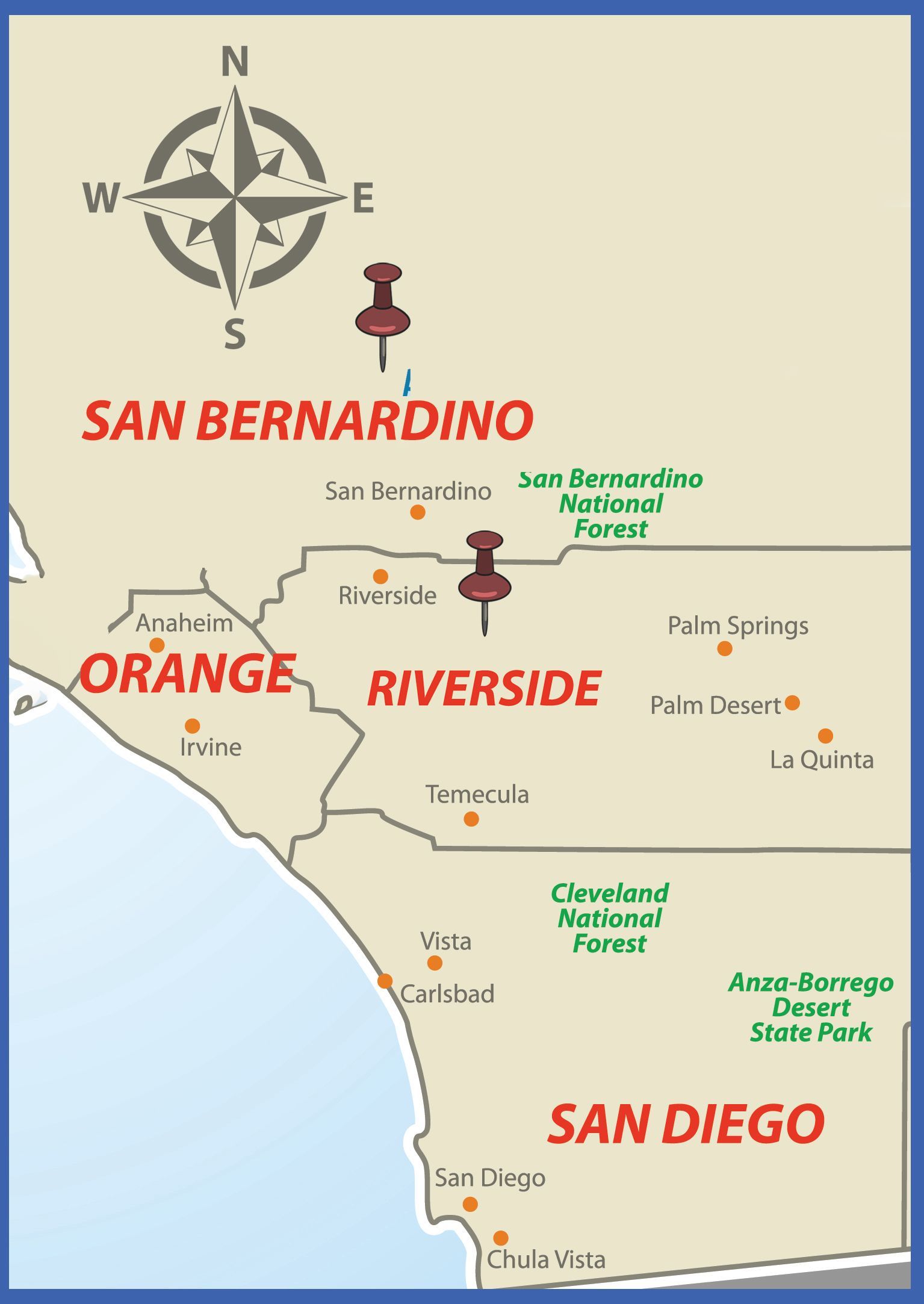
Commercial buildings must follow accessibility and egress regulations. Commercial doors in Murrieta, CA, and other California jurisdictions are subject to life-safety and ADA requirements. When hardware wears out, doors may stop complying with mandated standards.
Maintenance commonly supports compliance by verifying:
- Door closing speeds meet accessibility requirements
- Panic exit devices remain unobstructed and functional
- Accessibility routes are free from resistance or height barriers
- Automatic door sensors function as required by safety codes
- Fire-rated assemblies operate according to listing standards
- Locks and latches do not interfere with the emergency exit
Consistent record-keeping provides evidence that a business actively maintains safe access conditions.
What mechanical components are most likely to fail without routine inspection?
Commercial door systems use high-cycle mechanical hardware. Many components have predictable wear patterns and require periodic adjustment.
Frequent failure points include:
- Hinges and pivot points are exposed to repetitive motion
- Springs in manual or assisted closure systems
- Bearings in sliding or overhead tracks
- Weather seals that degrade from temperature changes
- Surface closers that lose tension over time
- Push bars and latch mechanisms with internal metal wear
- Door frames exposed to repeated side-loading
Addressing these components early helps extend useful lifespan and stabilize performance.
Which environmental factors accelerate commercial door deterioration?
Commercial Door Maintenance Service in Wildomar, CA is often needed because local weather conditions create accelerated exposure. Buildings in high-traffic retail corridors, industrial areas, or outdoor-facing entry points often experience environmental stress.
Contributing deterioration factors include:
- Sun exposure that dries out gaskets and weather seals
- Wind pressure increases the load on hinges and closers
- Humidity-expanding door materials and misaligning frames
- Dust or debris obstructing sliding tracks
- High-frequency usage produces metal fatigue
- Temperature shifts that warp or contract assemblies
A maintenance schedule ensures environmental effects are reviewed and corrected.
How does preventive service reduce operational disruption and liability?
A malfunctioning commercial door can stop operations, restrict access, or interfere with public movement. Failures in emergency exits can also create liability exposure for building owners.
Preventive service supports reliability by:
- Reducing downtime caused by unexpected hardware failure
- Ensuring exit paths remain clear during safety events
- Supporting the proper functioning of locks and controlled access points
- Preventing breakage that could result in injury claims
- Maintaining recorded documentation of safety measures
Lower disruption helps businesses plan facilities management more efficiently.
What signs indicate that a commercial door needs immediate servicing?
Early signs are often mechanical, audible, or visible. Businesses benefit from identifying these conditions before failure occurs.
Typical indicators include:
- Grinding or scraping noises when opening or closing
- Uneven closing speed or uncontrolled slamming
- Visible gaps between the door and frame
- Loose handles, latches, or exit hardware
- Difficulty locking or securing the unit
- Drafts indicating worn sealing systems
- Misalignment that requires lifting or pushing to operate
When multiple signs appear, more advanced mechanical wear is likely.
How do emergency exit and fire-rated doors depend on maintenance?
Fire-rated doors must remain functional for barrier performance, and exit hardware must enable fast movement during evacuation. Mechanical failure can compromise life-safety compliance.
Maintenance typically checks:
- Door clearance and frame condition
- Proper closing and latching without obstruction
- Panic hardware operation
- Condition of labeling or certification indicators
- Damage that could reduce fire-resistance characteristics
- Use of approved components that match listings
Regular reviews help ensure that emergency systems function as intended.
Why do automatic commercial doors require specialized inspection protocols?
Automatic doors use electronic sensors, motors, and control systems that interact with pedestrians. When sensors fail or calibration shifts, doors may strike users or fail to detect movement.
Inspection protocols help verify:
- Sensor detection range and responsiveness
- Opening and closing timing requirements
- Condition of motorized components
- Ramp-up and slowdown calibration for safety
- Emergency stop mechanisms
- Power-loss operation modes
Businesses benefit from periodic testing due to the higher failure impact of automated hardware.
How do traffic levels influence service frequency?
Commercial environments vary, and maintenance intervals should match the volume of physical operation. High-traffic buildings experience accelerated wear and may require more frequent checks.
Traffic-level considerations include:
- Retail and hospitality locations with continuous pedestrian movement
- Healthcare and education environments require controlled access
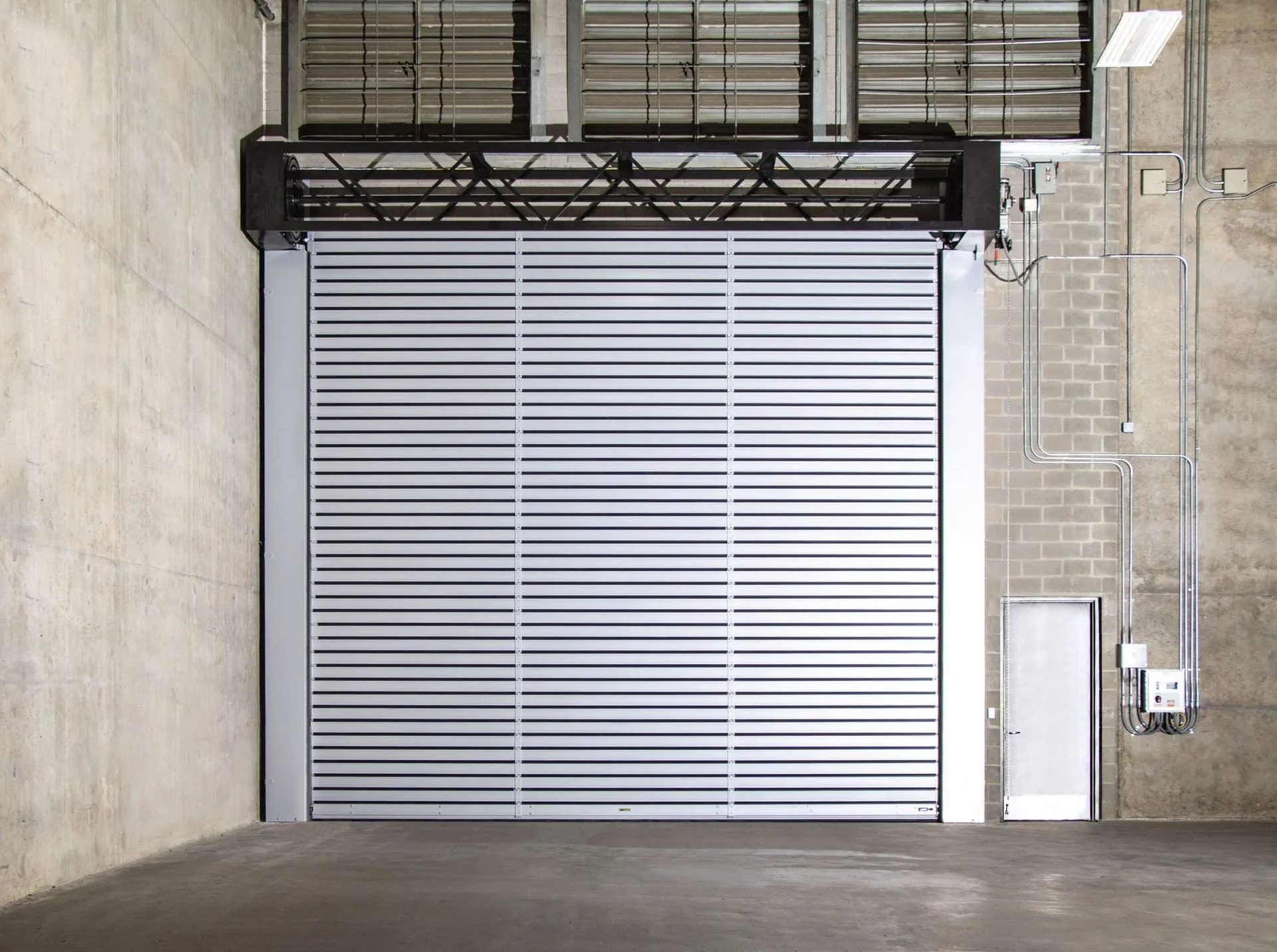
- Warehousing facilities with rolling or industrial door systems
- Buildings exposed to repeated deliveries
- Customer-facing entrances with extended service hours
Higher usage increases cyclical pressure on hardware and dictates shorter inspection cycles.
Frequently Asked Questions
How often should commercial doors be inspected?
Most facilities benefit from semiannual inspection, with quarterly reviews for high-traffic access points.
Does a business need maintenance if the door still operates normally?
Yes. Mechanical wear develops internally before visible malfunction.
Can a misaligned commercial door create compliance issues?
Yes. Misalignment can interfere with accessibility or emergency egress.
Are commercial automatic doors required to meet safety standards?
Yes. Sensor performance and motion timing must align with applicable regulations.
Do worn seals affect building efficiency?
Yes. Damaged seals increase air leakage and temperature variation.
A Final Thought
Regular inspection of commercial door systems is a practical method of reducing access risks and sustaining compliance. When performed consistently, maintenance supports safer daily operation. It also helps building owners understand hardware conditions before issues affect movement or safety.