


Important Things to Know Before Installing a New Garage Door
Before installing a new garage door, homeowners should understand the key considerations that affect the project. This includes choosing the right door style and material for your home, estimating costs, and preparing the site. We’ll answer common questions – from picking a door and opener to safety rules and maintenance – with an eye toward Southern California conditions (e.g., Winchester or Murrieta, CA).
How do I choose the right type of garage door for my home?
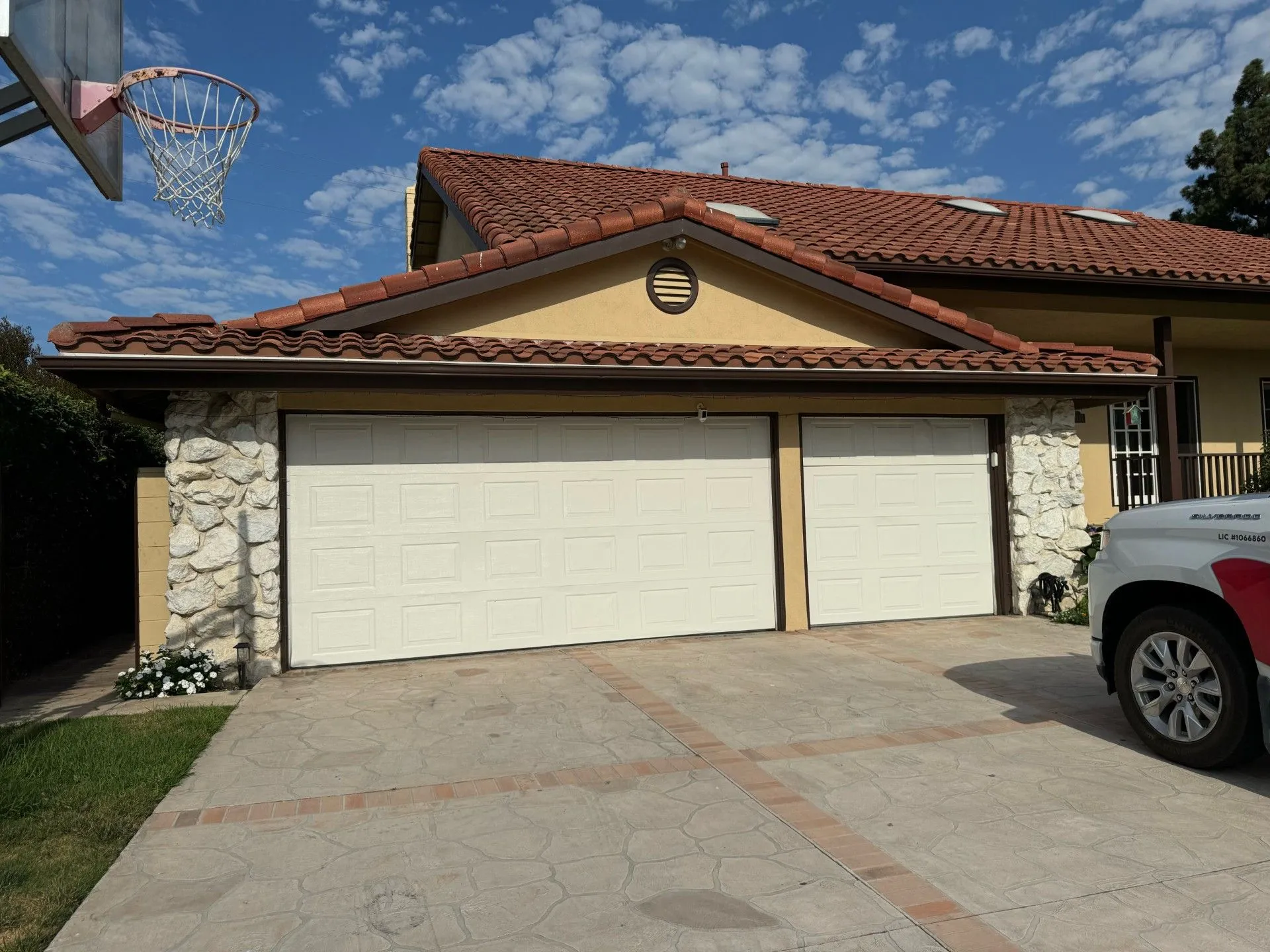
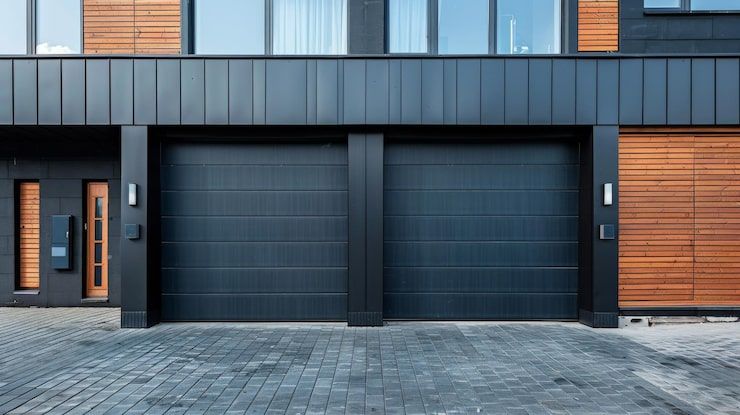
Selecting a garage door starts with the operating style and material. Common door styles are sectional (panels on tracks), roll-up (roller curtain), and tilt-up (one solid panel).
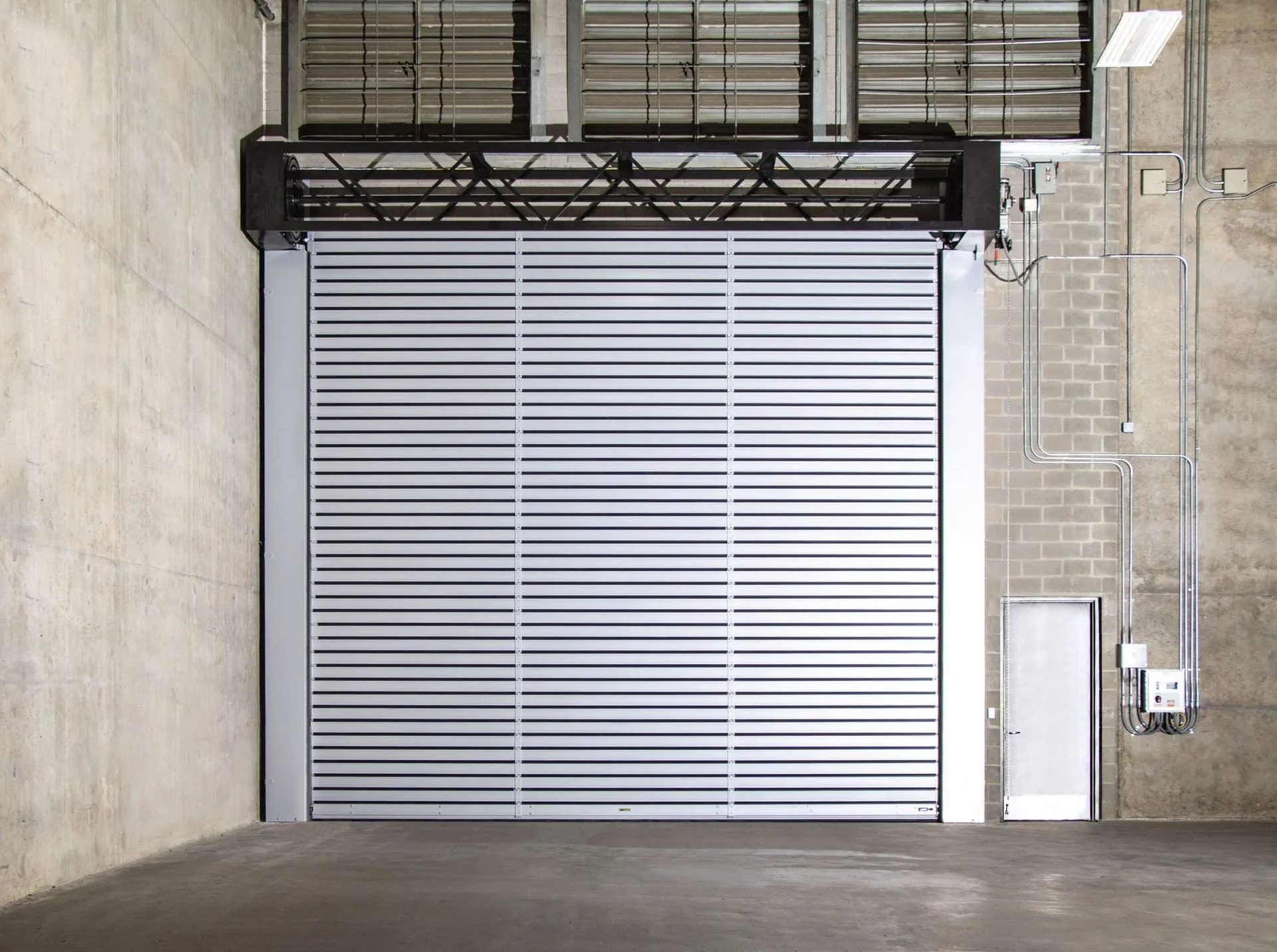
For example, sectional doors (hinged horizontal panels) offer many design options and can be insulated for energy efficiency. Roll-up doors save overhead space by rolling up like a curtain and are generally durable. Tilt-up doors use a single panel hinged at the top; they are robust with fewer moving parts, but require clearance to swing out
Things To Consider:
- Door style: Sectional doors slide overhead and allow insulation. Roller doors coil up and need little ceiling space. Tilt-up doors pivot outward (good for simple use), but need space in front to open.
- Material: Common materials include steel, wood, aluminum, and fiberglass. Steel is strong, low-maintenance, and usually the most cost-effective option. Wood offers a classic, elegant look but is heavier, requires more upkeep, and costs more. Aluminum is lightweight and resists corrosion (ideal for humid/coastal environments). Fiberglass can mimic wood without warping, but it typically costs more than steel.
- Insulation: If the garage is attached or you use it as a workshop, an insulated door helps regulate temperature and save energy. Insulated panels add upfront cost but improve comfort (cooler in summer, warmer in winter).
- Size: Measure your opening carefully. Standard single-car doors are about 8–9 ft wide by 7–8 ft high, while double-car doors are about 16–18 ft wide. Custom sizes or extra-tall doors cost more.
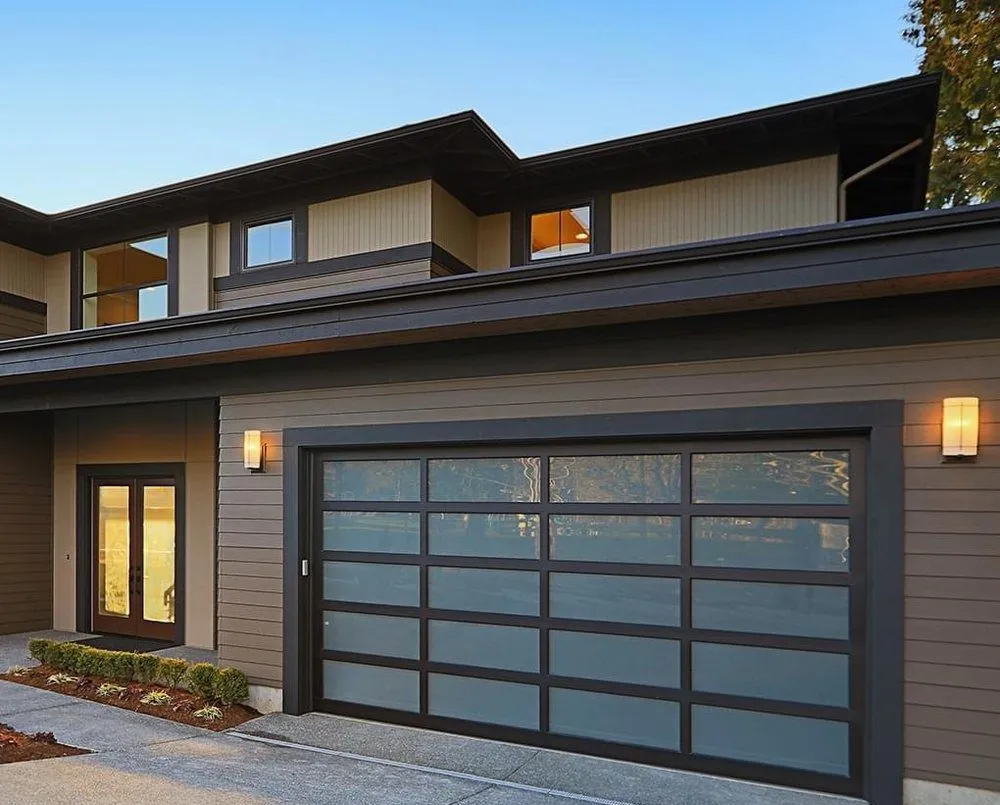
- Aesthetics and extras: Consider windows, panel styles, or custom carriage-house designs. These features can enhance curb appeal but increase cost. For example, adding decorative hardware or windows raises the price.
Matching the door’s style, material, and features to your home’s needs and budget ensures a good fit and performance. Homeowners in Southern California should also consider climate factors: for instance, strong UV exposure suggests using durable, fade-resistant finishes. A professional installer can help confirm measurements and recommend the best door type for your situation.
What factors influence the cost of installing a new garage door?
Several elements determine the total cost of a new garage door installation:
- Door material and style: Heavy or custom designs cost more. For instance, a basic steel door is cheaper than a custom wood or glass panel door. Sectional doors with insulation are pricier than a simple roll-up door.
- Size: A double-car door or custom-height door uses more materials. Larger doors (e.g., for three-car garages) are significantly more expensive than standard single-door installs.
- Insulation: Insulated doors add to the price. Although they cost more initially, they offer energy savings and noise reduction.
- Garage door opener: Budget for the opener and installation. A basic chain-driven opener is the least expensive, while belt-driven or smart openers cost more. High-tech features (Wi-Fi connectivity, cameras, etc.) further increase cost.
- Customization and design features: Windows, decorative panels, or special hardware increase both material and labor costs. For example, carriage-style or custom-colored doors are premium options.
- Labor and location: Installation charges vary regionally. Higher labor rates in California mean installation costs will be above the national average. Complex installs (adjusting openings, working on uneven foundations, or custom fitting) take more time and add labor cost.
- Removal of old door: If replacing an existing door, factor in the disposal or recycling of the old door. Some installers include this, but if not, removal can be an extra fee.
- Permits and codes: While replacing a door usually doesn’t require structural permits, any significant work (like rebuilding an opening) might. Check with local building authorities – in California, new installations often must meet energy or safety codes.
In summary, material and door size set the base price, and extras (insulation, openers, style) add up. Plan your budget by getting detailed quotes. Generally, a standard single-door installation runs around $1,150–$1,900, but high-end or oversized doors can cost much more.
What should I consider when selecting a garage door opener?
The opener’s type and features are important for convenience and safety:
- Drive mechanism: The three main types are chain-drive, belt-drive, and screw-drive. Chain-drive openers use a metal chain; they’re strong and affordable but noisier. Belt-drive openers use a rubber belt; they operate quietly (good for living areas above or attached garages) at a higher cost. Screw-drive openers are intermediate – quieter than chain, with a moderate price and low maintenance.
- Mounting location: Most openers mount to the ceiling, but jackshaft (wall-mounted) openers attach beside the door. Jackshaft units free up ceiling space and are very quiet. They’re ideal if you have low garage ceilings or want a clean look. On the downside, wall-mount openers are generally more expensive and must match the door size.
- Power and backup: All openers need electricity. In Southern California, power outages can occur during storms or grid issues, so a battery backup is highly recommended. In fact, California law (SB 969) requires any new residential opener to include a battery backup. This ensures you can still open the door if the power fails.
- Smart features: Many modern openers offer Wi-Fi or Bluetooth control, smartphone apps, and compatibility with home assistants. These add convenience (remote monitoring, voice control) but increase cost and complexity.
- Safety sensors: By law, openers must have safety sensors (photoelectric eyes or infrared beams) that reverse the door if something crosses underneath. Ensure your opener includes and correctly aligns these sensors.
- Horsepower: Match the opener’s power to the door’s weight. Heavy doors or large doors require higher horsepower (½ HP or more). Using an underpowered opener can strain the motor.
Choosing the right opener means balancing noise level, budget, and features. For example, if your garage in Murrieta or Winchester is attached to the living space, a quieter belt or jackshaft opener may be worth the extra cost. Remember to budget for any extra controls (wireless keypad, remote clickers) you want.
What safety features and regulations apply to new garage doors?
New garage doors must meet safety standards and building codes:
- Auto-reverse sensors: Modern openers must have at least two photoelectric sensors on either side of the door, about 6 inches off the ground. If these sensors detect something blocking the beam, the door must reverse. Test this feature regularly by placing an object (like a piece of wood) under the closing door.
- Automatic reverse: All doors must stop and reverse if they encounter resistance. This is usually done by a force sensor on the opener. It’s required by federal safety standards.
- Manual release: Each door has an emergency release (usually a red cord) that lets you disengage the opener and open the door by hand during power loss or emergencies.
- Wind resistance: In parts of California (especially coastal or hilly zones), doors may need a wind-load rating to withstand strong gusts. If you live in a high-wind area, choose a wind-rated door per code.
- California law on openers: Senate Bill 969 (2015) requires a battery backup on all new residential garage door openers sold in California. This rule ensures the door still works during outages. (Be prepared that any new opener you buy or that your installer recommends should include this by law.)
- Building codes: Garage doors must be installed per the California Building Code. This covers proper installation of tracks, springs, and electrical wiring. If your installation changes the opening size or structure, a permit and inspection might be required.
- Energy efficiency: Some jurisdictions incentivize insulated or energy-efficient doors. While not mandatory everywhere, an insulated door can help meet local energy codes if your garage is attached.
In practice, make sure your installer uses torsion springs of the correct size, attaches all hardware securely, and tests the door’s safety features after installation. All new installations in California should automatically include sensors and battery backup to comply with laws. Asking the installer about these features (and keeping documentation) is wise.
Frequently Asked Questions
How much does a new garage door installation cost?
Nationwide, a basic single-door install typically runs about $1,150–$1,900 (average ~$1,400). Customizations (like wood doors or extra insulation) can push costs higher. Keep in mind, Southern California labor rates can be above average.
How long does it take to install a new garage door?
Professional installers usually complete a standard door replacement in about 4–6 hours. Factors like door size, opener installation, and preparatory work can affect the timeline, but plan for roughly a half-day job.
Can I install a garage door myself?
Garage door installation involves heavy springs and complex parts. It’s generally not recommended for DIY. As experts note, a garage door has “heavy-duty components such as cables and high-tension springs,” so hiring a professional ensures safety and proper setup.
What safety features come with modern garage doors?
New doors include auto-reverse mechanisms and sensors that stop/raise the door if an object or person is detected. They also have emergency release cords and, in California, the opener includes a built-in battery backup. Always test these after installation.
A Final Thought
Choosing and installing a new garage door involves several practical considerations. By understanding your options, door types, materials, opener features, and local requirements, you can make informed decisions. Being prepared and following safety and maintenance guidelines will help ensure your new garage door serves you reliably for years.